New England Landmark Realty covers the Vermont real estate market 

from the inside — market data, buyer strategy, seller timing, land 

use regulation, and the policy decisions shaping what homes cost and 

who can afford them.


Tony Walton has been working Vermont real estate since 1978. 

The analysis here reflects that depth.


Browse by topic below, or use the search to find what you need.

Oct. 21, 2015

The Entryway, Your Home's Smile

Your entryway sets the tone for the rest of your home - and when you've got potential buyers visiting, you want them to feel welcome and cozy from the moment they enter. Here are some ways to warm up your entryway according to Andrea Davis at Realty Times:
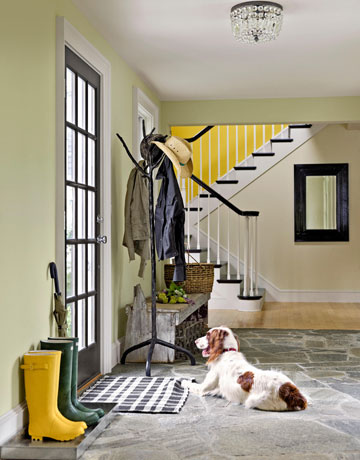
#1 De-clutter!

The first step to creating a welcoming entryway is an immaculate entrance. If your entry area is cluttered with stuff - bags, decor, shoes, coats, etc. - it makes it hard for buyers to picture themselves in your home. Get rid of everything but the essentials - and, if possible, store those in a closet or other room. If you want to add a touch of the season to the entryway without adding clutter, think about placing one tasteful vase or centerpiece on a table near the door. If you're unsure how to stage your entryway, a home stager can help you balance between clutter and just the right amount of staging pieces. Staging usually helps a house sell quicker, as evidenced by studies from places like Bankrate.

#2 Update the door.

Buyers have to walk up to your front door before they walk into the foyer. If they see a dingy front door, it can set the wrong tone for the rest of the house. If this sounds like your front door, consider some improvements:

  • Replace the hardware (door knob, pulls, lock)
  • Restain or paint the door
  • Repaint the trim around the door
  • Clean the windows in the door

If your door has lived past its prime, you might need to invest the necessary money to replace it. This way, the first thing buyers see will be shiny and new. If you feel so inspired, add a bit of seasonal flair such as pumpkins, seasonal wreaths, flowers, whatever feels right for the exterior of your home.
#3 Have plenty of storage.

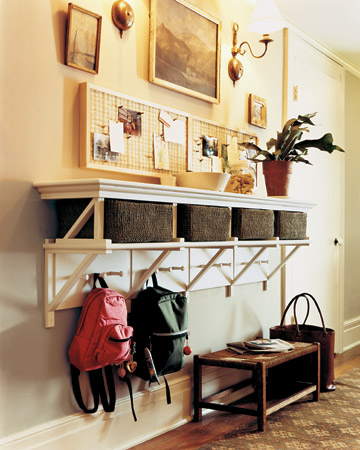
Useful entryway storage is enticing to buyers, especially in the form of built-in benches, cubbies and artfully placed shelves. If you don't have that kind of storage to offer, adding something as simple as knobs or hooks for coats can help a lot. For that extra bit of seasonal fashion, you may want to add a candle or two atop the shelf -- but don't go too far. It's important to keep the clutter down at all costs.

#4 Light it up!

Buyers can't appreciate all of the work you've put into your entryway if they can't see it. Proper entryway lighting is important, whether it's a well-placed lamp or a hanging pendant or both. If you have a hanging fixture, make sure the bulb is bright enough for nighttime showings. 

Conclusion

These are some of the top improvements to address when staging your entryway for potential buyers. Whether or not you decide to add some seasonal flavor into the mix, make sure your entryway feels appealing and welcoming -- and that it sets the right tone for the rest of the walkthrough.

See the original blog here.
Posted in
Oct. 15, 2015

Tucked In For The Winter

The days are growing shorter and cooler and it's said that a snowy winter is on the way. Which makes right now an ideal time to put your garden to bed so it will be well rested and ready to thrive come springtime. If you are planning to sell your home in the coming months the winterization steps you take for your plants will also help you keep your yard healthy and attractive to potential buyers, even in the deepest of winter dormancy. This list of must do's were compiled by Helen Chong at Realty Times.

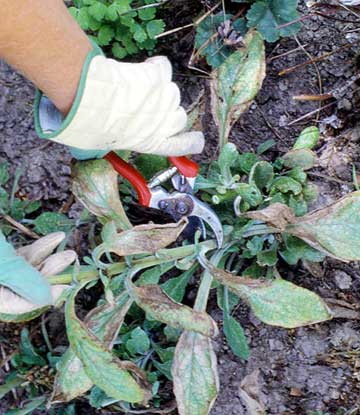
  1. Pruning helps remove dead or diseased branches from trees and shrub, and will allow for stronger growth within the branches that remain. Pruning is also done to help control the growth of a plant to a desired size or shape. The amount of pruning and how you prune as well as when will depend on what you are pruning. Fruit trees, for example, grow fruit at various times in their growing seasons. You will want to confirm when your trees bear fruit, it could be after a year of growth, during a current season's growth or on spurs that grow after pruning.
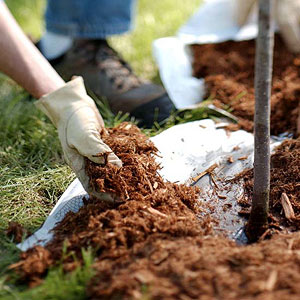
  2. Mulching will protect your plants from the cold. A good thick layer of fresh mulch along the base of your plants will help regulate the temperature, effectively giving your plants a blanket. Be sure to remove any old mulch first as it may harbor pest eggs which could be devastating come spring. Once the first frost or close to freezing temperatures arrive, it is time to lay down the new layer of mulch. This will help maintain a steady temperature, protecting from fluctuations of freezing and melting periods. It is these changes that can cause damage to roots. Roses are vulnerable to the cold in particular. You can wrap rose bushes in a burlap mulch container to help them make it through the colder months. 

  3. Planting new trees, shrubs, and of course bulb planting is now ideal. By planting now they will be set to lie dormant for the winter, and ready to focus new growth and energy in the spring. Most fruit trees need at least 6 hours of daylight during the growing season so be sure to plan accordingly where you will plant any new trees, being sure they will get enough direct light. You should also delay fertilizing any new plants at this time, as fertilizer will encourage continued growth and the energy needed to dormancy may be depleted too much for a plant to survive the winter.

Some other quick tips include checking for pests regularly and make any repairs to flower beds, clean up any dead flowers or stalks as well.

With just a little time and care, you can prepare your garden to survive the winter and burst forth with a bouquet of color come spring. If you are ready to sell your home the extra steps toward winterizing your garden will give you an extra edge in attracting potential buyers as well. 

Click here to read the original article, or click here for even more great winterizing tips from Better Homes and Gardens.

Posted in
Oct. 9, 2015

Autumn in Waterbury

Everyone knows that Vermont becomes a colorful paradise this time of year. Between the foliage, food, and attractions, there's not a whole lot to complain about when it comes to Fall in Vermont.

But where can you find the most authentic Vermont, Autumn experience?

Perhaps Waterbury!

If food, beer, and foliage sound good to you this season look no further. Waterbury is home to some of Vermont's most scenic views and renowned breweries. Take a beautiful drive on I-89 and stop through on your way to see what all the talk is about. 

There's a reason Waterbury is the beer capitol of the state. Lawson's Finest, The Alchemist, Trapp Lager, and Hill Farmstead are just a few the mouth-watering brews to be found alongside a broad collection of Vermont wine and spirits. Not to mention. Waterbury is the home to the world famous Heady Topper. All your beer, wine and food needs can be generously satisfied in one of many pubs and restaurants such as The Reservoir, Blackback, Cork, Blue Stone, Arvads, Stowe Street Cafe, and Prohibition Pig. Finish off with real Vermont flavor with a few scoops of Ben & Jerry's ice cream all made with local ingredients.

Also in town are a number of great shops and boutiques full of friendly faces. From books and antiques to cards, toys, gifts, flowers, and clothes of any style, it's easy to get lost in the Waterbury experience.  

Want to get out of town? It's probably a good idea, you don't want to miss the views this time of year. Take a trek, bike run, or stroll up Camel's Hump, Perry Hill, or Mount Mansfield with terrain and route options available for all skill levels. 

With so much to see and do, Waterbury is definitely a wonderful place to visit, or live, in Vermont. 

Posted in
Oct. 1, 2015

Fall Home Maintenance Checklist

With autumn here it is time to get your house in shape for the cooler months ahead. Fall is a great time to take care of the little things that can make a difference for you and your home. Getting ready for colder weather means checking, repairing, and prepping your home to withstand the upcoming rain, wind, and snow.

We found this article from Realty Times full of helpful tips that every homeowner should do before hibernating this winter.

1. Stow Your Mower

With the cooler months ahead, it's time to start thinking about how you are going to stow your lawn mower. Before saying goodbye to your lawn mower for the winter season, there are a few things you should consider. First, it will be a good idea to sharpen the blade of your lawn mower to ensure that it is in tip-top shape for the spring. You'll also want to empty your gas tank before putting your lawn mower to rest. Taking simple steps like these before putting your lawn mower into storage will help increase the longevity of your equipment.

2. Perform an energy audit

Performing an energy audit is really important because it will tell you where heat is escaping, so you can correct the problem and save money on utilities. If you are doing an energy audit yourself, first make a list of all air leaks in your home by seeing where there are drafts. Seal the air leaks that you have identified by applying caulk or weatherstripping. Potential energy savings by detecting and fixing drafts can range from 5% to 30% and will make your home much more comfortable.

3. Replace Your Storm Windows

Before it gets too cold, replace your screen windows and doors with energy-efficient storm windows. Consider a proper storage space for your screen windows so they do not get damaged over the winter months. You'll want to give them a good cleaning, along with your storm windows, so that they are ready for the upcoming colder months!

4. Check your Furnace

Home heating systems that aren't properly maintained may be less than 50 percent efficient. A dirty filter will increase your heating costs and reduce the life of your equipment. For these reasons, it is important to check your filter once a month and replace or clean if necessary. Have a professional take a look and perform any adjustments to your furnace during this time if needed.

5. Install Gutter Guards

Homeowners often overlook the importance of gutters, but they protect your home by diverting rain water safely away from your home. Gutter cleaning is a temporary solution to a permanent problem, but it is important to keep your gutters clear and clean in order to prevent home issues like foundation and structural issues.

If neglected long enough, these types of concerns can be serious and costly. One way to combat clogged gutters and eliminate gutter cleaning is to have gutter guards professionally installed to your home. Installing a micromesh gutter protection system, will help save you the time and hassle of cleaning your gutters when the leaves begin to fall.

6. Maintain your Home's Exterior

Trim back trees and branches that are hanging too close to your home. Fall and winter are known for unexpected weather conditions, so it is important to prevent any type of debris from falling on your home and producing serious damage. Seal driveways, brick patios, and wood decks. For long term care of your home exterior, it is important to apply a layer of sealant to prevent weed growth, repel stains, and increase the longevity of these areas.

7. Chimney and Fireplace

You'll want to call in a professional to inspect and clean your chimney. Annual cleaning of your chimney is important to prevent dangerous chimney fires. Test your fireplace flue to ensure that it is tightly sealed when closed.

8. Test smoke/carbon dioxide detectors

This is a simple task for homeowners, but it is often forgotten about. Detectors should have a "test" button. If the alarm sounds -- you're good to go! If not, try replacing the batteries and test again. If the alarm still doesn't fire, you may need a new detector. Testing these systems is a quick, but very important quarterly test to perform.

Taking these steps will not only lower your utility costs, but they will protect your largest investment, your home, from the unexpected weather conditions ahead. Find the original article here.

Posted in
Sept. 23, 2015

Ways to Allergy Proof Your Home


Winter is just around the corner (we may not want to admit it, but it is) and this means we'll be spending more time inside... cooped up with pets, and dust, and dander... oh my. If you're one the 20+% of Americans who are affected by allergies, this may sound like a nightmare. Luckily, we found this great article by Courtney Soinski at The Real Estate Book with 8 simple, yet great guidelines for allergy-proofing your home. They'll help battle allergies all year round so why wait to get started? 
 
1. Lay down doormats.
In each entryway of your home, lay down two doormats - one on the inside and one on the outside. This helps prevent allergens from being tracked inside. Another alternative is to have your family and guests remove their shoes when they enter your home. Otherwise, allergens are just spread around.
 
2. Upgrade your vacuum cleaner
If you don't have one already, make sure your vacuum cleaner has a HEPA filter. These are specifically made to trap particles as small as 0.3 microns. Basically, they'll be able to capture the majority of allergens.
3. Replace air filters
Remember to always clean or replace the air filters in your heating or cooling system as often as required. You can refer to the manufacturers' instructions regarding when to change them and how often.
 
4. Beware of mold
Minimizing mold, especially in your bathroom, is one of the most effective ways to lessen allergens. With more than 100,000 species of mold in the world, the last thing you want is for your bathroom to turn into a war zone. Clean regularly and remind yourself to dry off surfaces that collect standing water. Also, it's important that your bathroom has good ventilation. Every few years, you should replace any broken tiles and re-caulk sinks and tubs. This keep mold from growing behind the walls.
 
5. Say bye-bye to drapes
Consider switching from curtains to blinds or shades because they hold much fewer allergens. However, if you insist on having drapes, make sure they're machine washable since those are easier to keep dust-free.
 
6. Get an air purifier filter
From cooking fumes and cleaning vapors to dust and pet dander, there are so many different types of particles that can pollute the air inside your home. Air purifiers can be very effective in helping reduce allergens in the air, but just make sure you stay away from those producing ozone. We recommend using one with a HEPA filter.
 
7. Use a hygrometer to measure humidity levels

By investing in a hygrometer, you'll discover the exact moisture levels in your home. Take a measurement in each room and if the reading is above 60 percent, you may consider using a dehumidifier. High humidity can lead to mold growth, so this is your best tactic to prevent that.
 
8. Ditch the carpet
Carpet does a great job of trapping in countless allergens, so it's a good idea to replace your carpeting with hardwood or linoleum flooring. If that's not an option, use low-pile carpeting instead of high-pile. Be sure to vacuum at least once a week and shampoo your carpet frequently.
 
Check out Courtney's original article here.
Posted in
Sept. 14, 2015

Before Moving Into a New House


We found this article from Realty Times and thought it was just too good not to share. Things you wouldn't necessarily think of when your just trying to move and settle in as quickly as possible. 
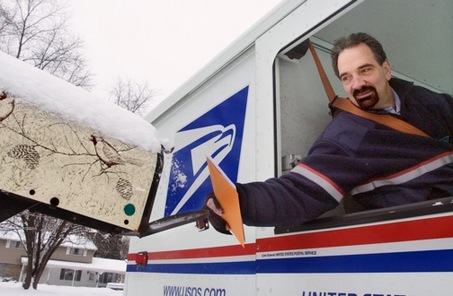
Here are 11 things to do before moving into a new house:

  1. Change your address: You'll have to stop into your local post office or visit theUnited States Postal Service's website to change your address at some point. Doing it early ensures that your mail will make as smooth a transition as you do. A side benefit to changing your address is the coupon package that comes with the form. That 10% off Lowe's discount will surely come in handy in a new home.

  2. Update your contact info: Change your address online with creditors, financial institutions, schools, publications, and anyone else that is important. Your change of address form from the post office will forward your mail but going right to the source will ensure your new address is on file.

  3. Tell your mailman and say "Thank you": A little consideration goes a long way when it comes to forwarding mail.

  4. Change the locks: How many of us have moved into a new place and used the same locks and keys that were provided to us? "You really don't know who else has keys to your home," said HouseLogic. "That ensures you're the only person who has access. Install new deadbolts yourself for as little as $10 per lock, or call a locksmith -- if you supply the new locks, they typically charge about $20-$30 per lock for labor. 

  5. Get the house deep cleaned: The previous occupants probably cleaned the house or had it cleaned when they left. But is it up to your standards? Get a crew in there before you move in. It'll be money well spent. Make sure the crew also gets inside the closets, cabinets, and drawers. You don't want to start your new life with someone else's crumbs and dust bunnies. 

  6. Clean the carpets too: This is another area where you will probably want to focus a little energy--unless you're a fan of "germ hotspots," said Huffington Post. The blog reported that carpets are "botanical and zoological parks...that can be 4,000 times dirtier than your toilet seat," said microbiologist Dr. Philip Tierno, according to Men's Health. Let that set in for a moment.

  7. Call an exterminator: Nothing ruins your first night in a new house like critters scurrying across the floor.

  8. Research utilities: The current providers might be the best (or only) options...but they may not be. Deregulation in some areas means competitive rates for utilities that can pay off for you. Be sure to ask about any new user discounts for cable or satellite, and, also for bundling packages that might be available. 

  9. Shut off the utilities on the house you're moving from: Sounds like a given, but it's one of the most common errors people make when moving--an error that can turn out to be costly when you're paying double utilities. 

  10. Alert your service providers: Let your gardener and anyone else that services your home regularly know you are moving early on. Details like this can be easily overlooked during a move, and giving ample notice will allow them time to try to replace the business if you're moving out of their service area.

  11. Pare down your stuff: The only thing worse that having boxes of stuff you don't use and don't need crowding your space is carting them from house to house. Days disappear quickly when you're packing and preparing to move. If you are at all concerned you won't have time for a garage sale or even to drive to the local donation spot, take advantage of charities that will come to your house and do a pick up. Then all you have to do is haul the stuff to the front porch and bring in your tax receipt once they're done. (Check out the blog we have on Mistakes to Avoid While Decluttering Your Home!

Check out the original blog here.

Posted in
Aug. 19, 2015

3 Home Improvement Projects You Should Spend On

Thinking of remodeling your home? Before you splurge on a finished basement or a new kitchen, make sure you choose a home improvement project that will add to your home's lifetime value. Check out Remodeling Magazine's 2015 Cost vs. Value report for projects with the highest ROI. Realty Times picked these three as   Home Improvement Projects that Last a Lifetime:

Get a New Roof

Although adding a new roof isn’t as exciting as a major kitchen remodel or a new deck, this improvement can significantly improve the appearance of your home — and, it boasts a national average ROI of 71 percent, according to the Remodeling Magazine report. Champion Home Exteriors offers lifetime shingles with advanced protection technology. The special shingles are specially constructed with materials that cause less harm to the environment than traditional types, and the lifetime shingles offer superior protection to your home as well. Plus, Champion Home Exteriors offers shingles in a variety of colors, from modern gray shades to light tan tones, to perfectly complement your home’s style and its color.

Change Out Your Front Door

The door is the focal point of your home. It’s the first thing that guests and visitors see when they come to your house. Adding a new door to your home can significantly boost its curb appeal, too; in fact, if you’re planning to eventually sell your home, the Remodeling Magazine report found that a steel front door can recoup 101 percent of the project's total cost when it comes time to sell.

However, if you plan to spend a little more time in your home and you’re not looking to sell, you can enjoy the perks of having a steel door. One example: Steel doors make your home more energy-efficient, Energy.gov reports. Most steel doors have a magnetic weatherstripping that seals up nicely when the door is closed, which can help to keep your energy use down. A steel door is also easily customizable, so if you decide to repaint your home a new color in the future, you can simply paint the door to complement the new exterior color.

Install New Flooring

Wood flooring can last up to a century. It’s classic and can fit a wide range of different styles and designs, from modern to historic homes. Keeping wood floors like new doesn’t take much work, either. A little elbow grease and the right cleaning solutions is all that it takes. By taking extra precaution you can preserve the floor’s integrity, too. Decorate with runners and rugs to and consider using soft felt covers on the legs of your furniture to keep them from scratching the wood floor. This addition can also increase the overall value of your property. If you’re looking to sell your home, buyers are attracted to this improvement. If not, 50 years from now, you can still be enjoying your wood floors. And who needs a contractor to do this project for you? Learn how to do it yourself here.

Posted in
Aug. 10, 2015

Home Security Tips to Live By


Did you know that every 15.4 seconds, a burglary occurs somewhere across the United States? The Real Estate Book spells out what we should all be doing to make our homes safe and secure.

When & how do burglaries occur?

The majority of home and apartment burglaries occur during the daytime when residents are away from their house, most likely when they’re at work or school. Home theft is most frequent in the months of July and August, and the fewest burglaries occur in February.

According to the FBI, 70 percent of home burglars use some amount of force to enter a residence, but their preference is through an open door or window. Also, you may be surprised to know that homes are not randomly selected. Burglars look for unoccupied homes with the easiest access, greatest amount of cover, and with the best escape routes.

Fortunately, there are ways your can minimize your risk to keep your family and belongings safe. Here’s how to make your home look unattractive to burglars.

Doors & Locks

The more difficult that your home is to break into, the less likely burglars will want to put forth the effort. The FBI recommends using a high-quality Grade-1 or Grade-2 locks on your exterior doors to resist twisting, prying, and lock-picking attempts. Consider implementing these additions in your home:

  • Solid core or metal door for all entrances
  • Quality, heavy duty, deadbolt lock with a one-inch throw bolt
  • Quality, heavy duty, knob-in-lock set with a dead-latch mechanism
  • Heavy duty, four-screw, strike plate with 3-inch screws to penetrate into a wooden door frame
  • Wide-angle 160° peephole mounted no higher than 58 inches

Windows

It is much more common to leave a window open or unlocked than a door. If the burglar sees a home from down the street that has an open window, they will commonly choose that home to burglarize.

  • Secure all accessible windows with secondary blocking devices
  • Block accessible windows open no more than 6 inches for ventilation
  • Make sure you can’t reach through an open window and unlock the door
  • Make sure you can’t reach inside the window and remove the blocking device
  • Anti-lift devices to prevent window from being lifted out
  • Crime prevention or alarm decals on ground or on windows that are within reach

Lighting

Keeping a couple interior lights on gives burglars the message that someone is home. If you don’t have one already, light timers are super inexpensive and easy to find. Use a light timer (even when you’re not on vacation) near the front and back windows behind closed curtains. You should also follow these rules:

  • Exterior lighting should allow 100 feet of visibility
  • Use good lighting along the pathway and at your door
  • Use light timers or photo-cells to turn on/off lights automatically
  • Use infra-red motion sensor lights on the rear of single family homes

Alarm Systems

If used properly and consistently, alarm systems add a huge benefit to your home’s overall security. As a matter of fact, burglars will often give up on trying to break into a home if it has visible alarm signs in the lawn or decals on the window.

Get to Know your Neighbors

When it comes to the safety of your home, it’s important that you establish some sort of communication and trust with your neighbors. Good neighbors will watch out for your home when you’re away, and can let you or the police know about any suspicious activity going on. Remember to always keep safety first, communicate, and stay informed.


Posted in
May 8, 2015

Alchemist Brewery closes on land in Stowe for their new state of the art Brewery

By Tommy Gardner | Stowe Reporter | May 6, 2015

"Warm weather and cold beer go well together, and soon, so could warm weather and the construction of a new brewery.

"The Alchemist is the proud new owner of 4 acres on Cottage Club Road," Chuck Baraw said Tuesday.

Baraw, who owns the Stoweflake Resort and Spa, had just closed the deal with the owners of the Alchemist Brewery, Jen and John Kimmich. He sold them a parcel he had already cut off from his land for a condo project that never materialized.

Now, that 4-acre parcel will be home to a 15,000-square-foot brewery and retail store that will complement the current Alchemist cannery in Waterbury. The Waterbury Center location will still make Heady Topper, the world-famous double IPA that brings beer connoisseurs to northern Vermont from all over New England and beyond. The Stowe location will concentrate on other Alchemist recipes, both new and old favorites that used to be on tap in the downtown Waterbury brewpub that was wiped out by Tropical Storm Irene.

The Kimmichs were out of town and didn't comment about the sale. But when the Alchemist cleared the final permitting hurdle April 1, Jen Kimmich said the brewery and store could be open around this time next year.

Susi Benoit, owner partner and Realtor with New England Landmark Realty, said the purchase price for the land was $500,000. She said Steve Foster, a real estate agent with her office and owner of the Blue Donkey on Mountain Road, was instrumental in the deal between Baraw and the Kimmichs.

Foster said that, when he heard the Kimmichs were looking for a place to build a second brewery, he looked up and down Mountain Road and elsewhere, and found the Stoweflake property, already subdivided and fitting the water and sewer requirements.

"It was a perfect storm," Foster said. "To have a business like that coming to Stowe, they're gong to bring a whole new level of professionalism, and it'll really lift up that whole area."

Posted in
Nov. 30, 2014

Homeownership and Wealth Creation - NYTimes.com

Homeownership and Wealth Creation - NYTimes.com

By THE New York Times EDITORIAL BOARD NOV. 29, 2014

Since the housing bust, renting has been in and owning a home has been out, especially among young adults who in earlier decades would have been first-time home buyers. As the rate of homeownership has declined, from a peak of nearly 70 percent in 2004 to a 20-year low of 64.3 percent recently, the number of owner-occupied homes has barely budged, while the number occupied by renters has increased by nearly 25 percent.

Those trends have led to questions about the future of homeownership. Would more and longer rentals be a bad thing? Are the benefits of homeownership overrated? The answer to the first question is yes; the answer to the second is no.

Homeownership long has been central to Americans' ability to amass wealth; even with the substantial decline in wealth after the housing bust, the net worth of homeowners over time has significantly outpaced that of renters, who tend as a group to accumulate little if any wealth.

A recent study by researchers at the Joint Center for Housing Studies at Harvard University analyzed the reasons for these differing outcomes. Paramount among them is that homeownership requires potential buyers to save for a down payment, and forces them to continue to save by paying down a portion of the mortgage principal each month.

Renting, in contrast, offers the potential for comparable wealth building only if renters invest an amount equal to a down payment plus any savings from renting. As a practical matter, most renters do not do that. Even in instances where renters have excess cash, saving a substantial amount is difficult without a near-term goal, like a down payment. It is also difficult to systematically invest each month in stocks, bonds or other assets without being compelled to do so.

The analysis does not downplay the risks of homeownership or the devastation of the housing bust. But the lesson of that debacle is not for individuals to avoid homeownership or for policy makers to devalue its importance. Rather, the lesson should be to foster conditions under which middle- and lower-income Americans can sustain homeownership and avoid the ruin of foreclosure.

For starters, legal and regulatory protections against practices that inflated the housing bubble need to take root. The Dodd-Frank financial reform law, for example, requires lenders to ensure that borrowers have the ability to repay their home loans and outlaws complex mortgage terms that enrich lenders but expose borrowers to payment shocks.

The law also established the Consumer Financial Protection Bureau, with the purpose of looking out for consumers' interests in financial transactions. The C.F.P.B. has gotten off to a good start, but Republicans, who now control Congress, have consistently tried to weaken the agency and the provisions of Dodd-Frank generally. President Obama must be prepared to veto legislation to repeal or weaken mortgage-finance and consumer-protection reforms.

Equally important, larger economic forces that make homeownership less possible for working people need to be in the forefront of political debate -- even if Republican control of Congress makes actions to address them unlikely. Long-term wage stagnation, for example, has made it increasingly difficult to accumulate enough for a down payment, and has led many homeowners to refinance their mortgages in order to pull out equity for consumer purchases.

The solution is to lift wages, not only with new policies like higher minimum wages and toughened labor standards, but also with approaches to managing the economy to ensure that a fair share of growth goes to wages and salaries, rather than going disproportionately to corporate profits.

Renting can make sense as a lifestyle choice or because of income constraints. As a means to building wealth, however, there is no practical substitute for homeownership.

via Homeownership and Wealth Creation - NYTimes.com.

Posted in