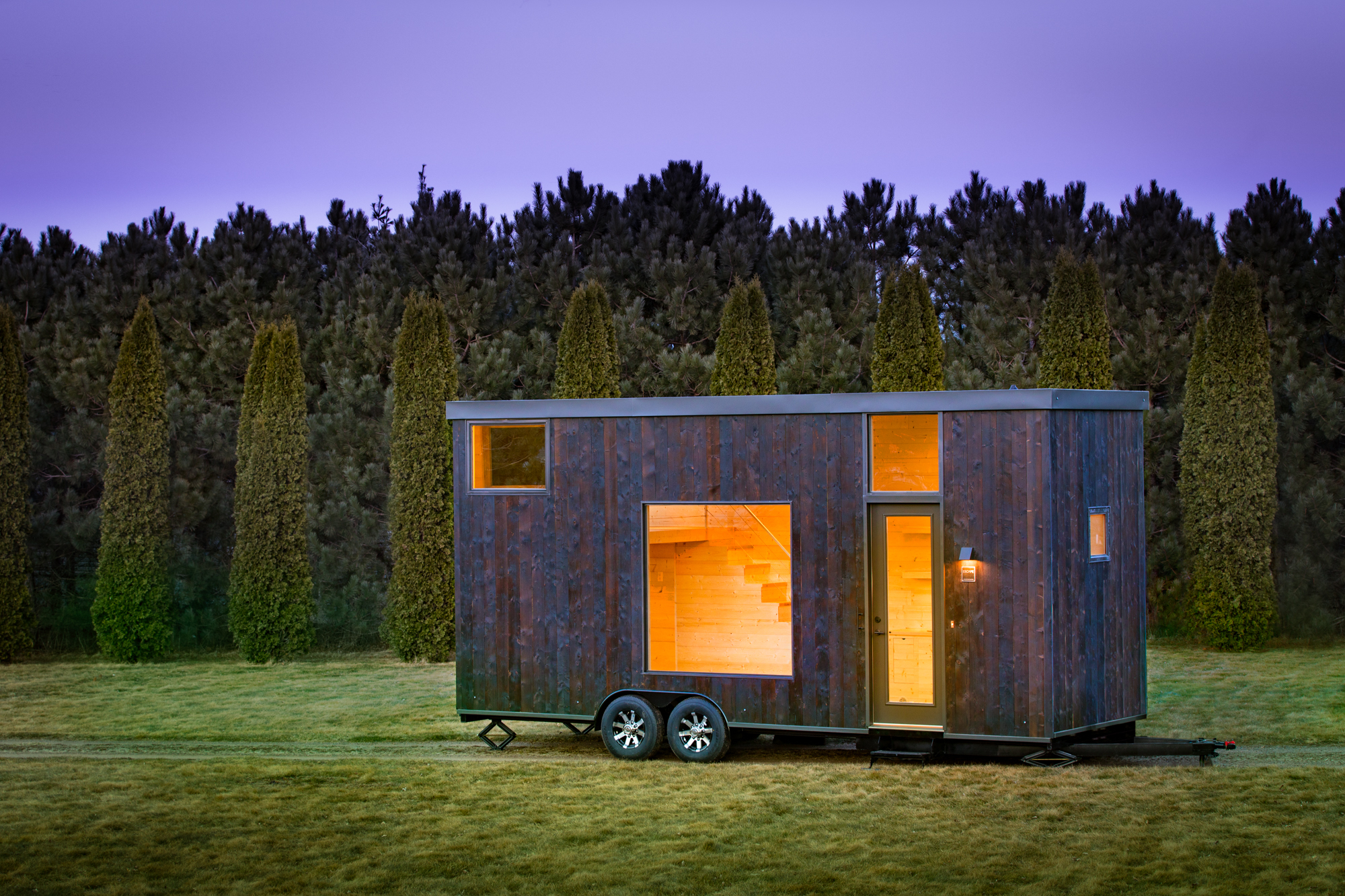
Tiny Houses are becoming very fashionable in today's word. The absolute height of modernism and simplicity, a tiny home is meant to push the boundaries of living efficiently. Typically smaller than 400 square feet, these miniature abodes come in a variety of shapes and sizes. Is this surge of small spaces a sign of things to come? Or nothing other than a fad? Tony Gilbert of The Real FX Group examined all of the pros and cons of the tiny homes and compared them to traditional homes and living expenses.
It seems there are Tiny Homes popping up everywhere. Magazines, websites, and reality TV shows all praise the space-saving miniature houses that typically range between 180 and 400 square feet in size. Is it a practical lifestyle choice? Is it truly possible to live comfortably with another person in such a tiny space? Do people still enjoy living in tiny homes after the first year? How much do they cost? These are questions you need to ask before you consider purchasing a tiny home.
What Does A Tiny Home Cost?
When you start visiting tiny home builder websites, you quickly realize these miniature residences aren't cheap. Prices for tiny homes as small as 200 square feet of comparably cramped living space can start at nearly $70,000, and the prices can increase significantly, depending on quality of materials.
One thing many tiny home buyers sometimes forget to take into account is that the price of the home does not include the land the home will eventually sit on. And, when you consider the fact that bathrooms average less than 3 feet wide, often contain recreational vehicle toilets, and have little or no plumbing, and the kitchens may not include normal appliances, that's a pretty high price tag for such a tiny space.
Do People Live In Tiny Homes?
Research on the internet, and you'll find stories from people who lived in their Tiny Homes for a short period of time, as the reality of living in such tight quarters becomes apparent. Some owners build the homes and decide to rent them. A few people manage to live in a tiny home for a few years, but many other people discover tiny homes don't meet their lifestyle or family needs.
While the idea of living more simply or off the grid can be appealing in our hectic world, the reality is very often not what people expect. Moving into a tiny home means disposing of or storing most of your belongings because obviously, tiny homes aren't known for their ample storage space. And storage space costs money.
There may be only a couple of cabinets for food in the kitchen area. Refrigerators are usually very small and fit under a counter. Loft bedrooms are very low, and placing a mattress on the floor serves as a bed. You can also have seating downstairs that serves as a bed at night. Some loft stairs have built-in drawers below them for clothing. And for some people, having no separate space to go when they want to enjoy some alone time, can be a major problem.
Buying A Traditional vs. Tiny Home
Fortunately, there are cozy and small traditional homes which can house a family comfortably, provide storage, give them roots in a community, and allow the potential for the homeowner to build equity. You don't need to give up the conveniences of being connected to town water, electricity, and cable to live in a cozier space.
Either way, if living more simply, and with a smaller footprint is the goal, be sure to consider all smaller home or condo options before spending your savings on a tiny home. Don't jump on the Tiny House bandwaggon without carefully considering all of your home buying options, because doing so may save you many thousands in the long run, and will give you peace of mind when it comes time to make a final decision.
To read the original article, click here.
 It's sad to see but August is coming to an end and harvest season is upon us. As always, Vermont has numerous celebrations planned in honor of the harvest and fall season. Check out the ones listed below:
 The heat and humidity of summer are great...outside. Luckily, there are lots of tricks to keeping your home cool without running your air conditioning and racking up your energy bill.
 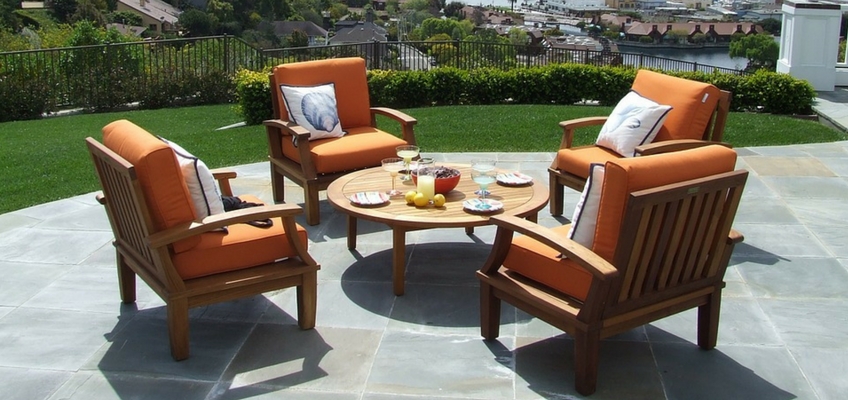 One of the many fun things to do during summer is to enjoy spending time outside on your patio. It's a place where you can rest and relax or party it up on summer nights. There are some easy way that you can make this space work for you
 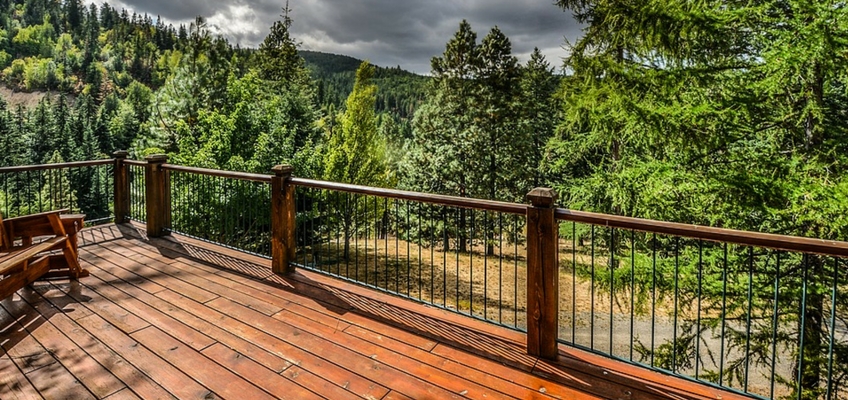 Summertime is the perfect time to relax and stop worrying about muddy footprints, snow removal, and other problems. Unfortunately, it's also a great time to catch up on, or keep up on, maintenance of your home. Winters in Vermont can be brutal, and it seems like we haven't seen the sunshine since summer began. Making sure your gutters are clean, your roof is leakproof, and taking some time to deep clean your carpets, can do wonders for a house that's been put through the ringer.
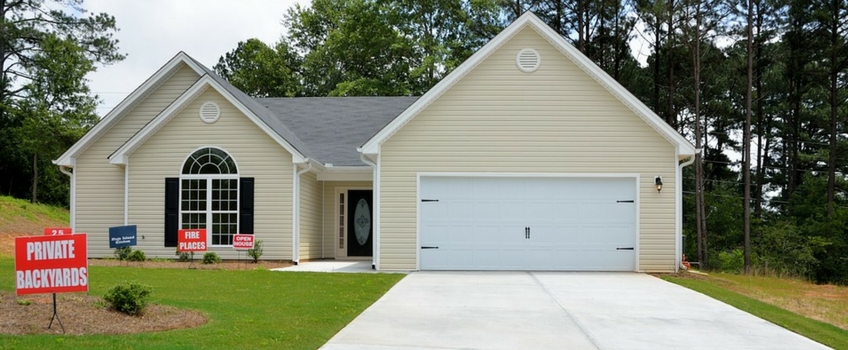 Let's face it, most Vermont towns can sell themselves with their close-knit feel, community activities, local amenities, beautiful landscapes, etc., but that doesn't mean someone will be willing to buy a house there if it doesn't make a good impression. Buying a house is a huge deal, and you want someone to be wowed when they enter yours for an open house or private viewing. Making a few improvements doesn't have to break the bank, but it can be the difference between them walking out the door or making an offer. Jaymi Naciri, from Realty Times, has written up ten tips to help you on your way.
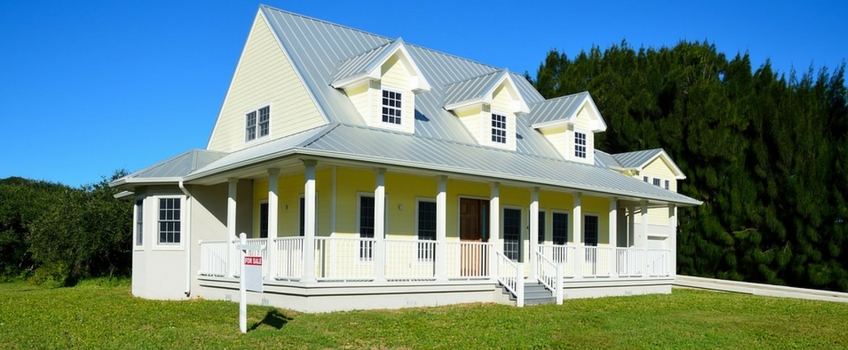 Damien Justus, of Realty Times, offers some great suggestions to boost the value of your home without going completely overboard. These are things that can be applied to any house, in any neighborhood.