Standard homeowners insurance offers broad protection. It typically covers damage from fire, wind and lightning, as well as theft and liability. But like most one-size-fits-all solutions, it has blind spots. And here in Central Vermont, where we contend with aging homes, unpredictable weather patterns, and tight-knit communities that value self-reliance, those gaps can cost you dearly.
1. Flood Damage: Our Wet Season Reality
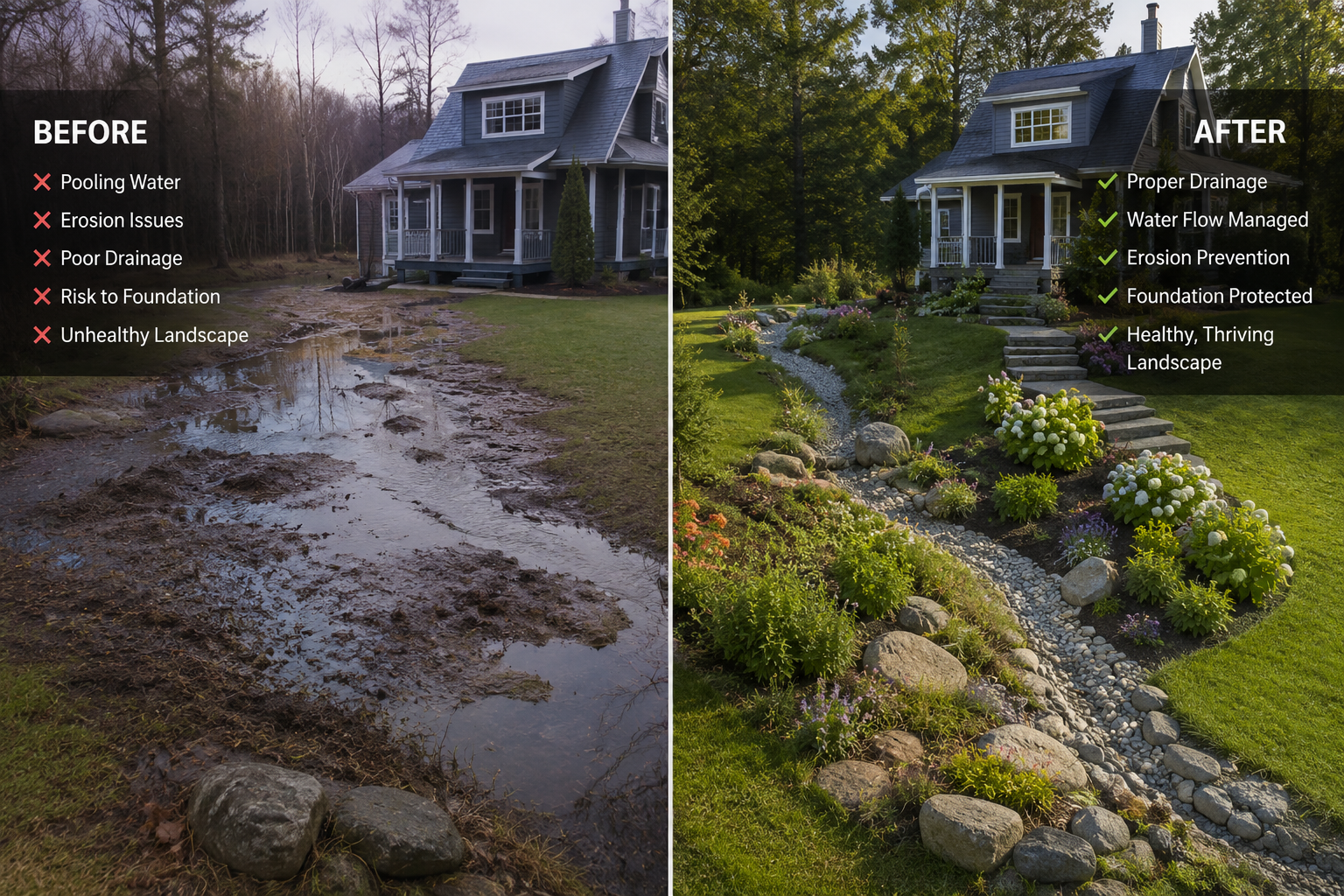
Your policy covers a burst pipe in your kitchen. It doesn't cover what happens when the Winooski swells, when spring melt converges with April rain, or when a nor'easter dumps eight inches in 24 hours. We've all watched neighbors pump out basements or lose first floors to water that came from above—not from within.
Standard homeowners insurance won't touch weather-related flooding. In Central Vermont, where many of us live near rivers, streams, and low-lying areas, this is less theoretical and more inevitable. You'll need a separate flood insurance policy—either through the National Flood Insurance Program or a private carrier. If your property is in a federally designated Special Flood Hazard Area, your lender will require it. But even if you're not required, the math is simple: the cost of a flood policy is a rounding error compared to the cost of a flooded home.
2. Damage from Neglect: The Slow Bleed
This one hits different in Vermont. Many of us own older homes—beautiful, character-filled Victorians and farmhouses that demand constant attention. The policy covers a tree that falls on your roof in a storm. It won't cover the roof that's been deteriorating for five years and finally leaks.
Here's the uncomfortable truth: procrastination is expensive. That pipe slowly leaking behind the basement wall? That attic moisture nobody addressed? That foundation issue you've been meaning to get looked at? Insurance treats these as self-inflicted wounds, and rightfully so. This is where the culinary training applies to real estate: preparation prevents problems. Maintenance isn't optional—it's the difference between owning a home and hemorrhaging money into one.
3. High-Value Items: Your Collections

You own that stunning landscape painting from a Vermont artist. The antique furniture passed down through generations. The vintage ski collection. The jewelry. Your policy's personal property coverage likely has a ceiling on what it will pay for individual items—and it's probably far below what you'd need to actually replace them.
A fire doesn't discriminate between priceless and replaceable. But your insurance policy does. If you own multiple valuable items, you need a scheduled personal property endorsement (or "rider"). It's straightforward: you list each item, get it appraised, and the insurer covers it at that value. It costs more, but it's the only way to protect what actually matters.
The Vermont Conversation
Here's what I've learned managing real estate across Washington, Lamoille, and Chittenden Counties: the best insurance policy is the conversation you have before you need it. Talk to your agent. Ask the hard questions. Be honest about what you own and where you live. Because in Vermont, where we pride ourselves on resilience and self-sufficiency, the irony is that we often wait too long to ask for help.
Don't be that neighbor.
Ready to Protect What Matters?
Whether you're buying, selling, or simply want to understand your property's true value and risk profile, let's talk. New England Landmark Realty knows Central Vermont's homes, its risks, and its rewards.
Call (802) 253-4711 Buyer's GuideIf You Want to Learn More
Start with these New England Landmark Realty resources: