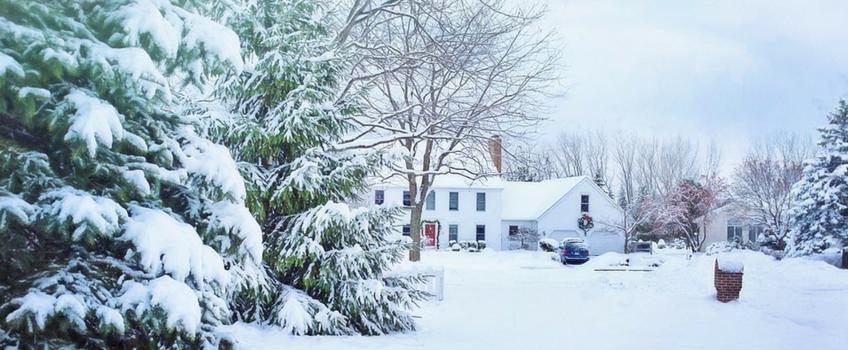
 Vermont winters are a force to be reckoned with. With mornings in the negative double digits, your home heating bill can shoot through the roof. This article, by Jaymi Naciri, points out some steps you can take to combat raising your heating costs.
Have you taken steps to winterize your home this year? It's not too late to take a look at all the nooks and crannies (Seriously, you should start with the nooks and crannies since they're probably letting all that cold air in and the hot air out!) and make some easy, DIY changes.
Time Money reports that 45% of the average household's energy bill goes to heating. "According to the Department of Energy, heating is the largest expense in the average American home," they said. Have natural gas heating? The average cost of heating your home from October through March is $649. That number goes to $938 for those with electric heating, they said. A little time and effort can make a big difference in how efficiently your home runs - and how high (or not) your winter bills soar.
Change out your filters
You should be doing this on a regular basis, anyway, but, if it's been awhile, it's time to hit Home Depot. New filters help your HVAC system to run more efficiently, which can mean lower heating bills and a heater that lasts longer.
Close up leaks around doors and windows
"A one-eighth-inch" gap under a 36-inch-wide door... will let in as much cold air as a 2.4-inch-diameter hole punched in the wall," said Time: Money. That's a lot of air coming in and a lot of money going out.
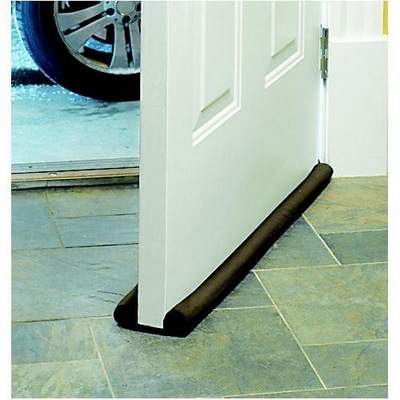
Draft guards under doors can plug those holes for a minimal cost ($10–15). For doors and windows, weather stripping tape is cheap, easy, and effective at sealing holes. Still drafty? "Any remaining gaps in siding, windows, or doors can be filled with caulk," said Bob Vila. "For extra drafty windows and doors, caulk the inside too, pulling off moldings to fill all gaps in the insulation. Cost: $20 for a basic caulk gun and $5 to $10 for a tube of caulk."
Cover your windows
Taking care of the leaks around the windows is only half the battle. Heat loss through the windows themselves can also be costly. Insulated drapes can help, and so can insulation film applied directly to the windows. "It may not be the most fashionable tip, but window insulation film can keep up to 70% of your heat from leaking out of windows," said Bob Vila. "Cost: $20 to $35 per kit."
Switch your fans
Most fans come with a reverse switch, but many people don't know what it's for. Turns out, your fan can actually help you feel cozy in the winter and give your heater a bit of a break. "Most people think of fans only when they want to be cool, but many ceiling units come with a handy switch that reverses the direction of the blades," said Popular Mechanics. "Counterclockwise rotation produces cooling breezes, while switching to clockwise makes it warmer. Air pooled near the ceiling is circulated back into the living space—cutting your heating costs as much as 10 percent!"
Banish the exhaust fans
Do you usually flip on the exhaust when you're cooking dinner, taking a shower, or running your laundry? Eliminating this one action could save you money.
"An exhaust fan blows the warm air in your house outside, dropping the temperature of your home as that air is replaced with cooler air," said The Simple Dollar. "Even worse, exhaust fans are usually blowing out moist air, which does a better job of holding the temperature. Instead of flipping on the exhaust fan when you take a shower, just leave the bathroom door open. This allows the warm air to naturally flow into the rest of the house, bringing the warmth of your shower along with it."
Lower the temps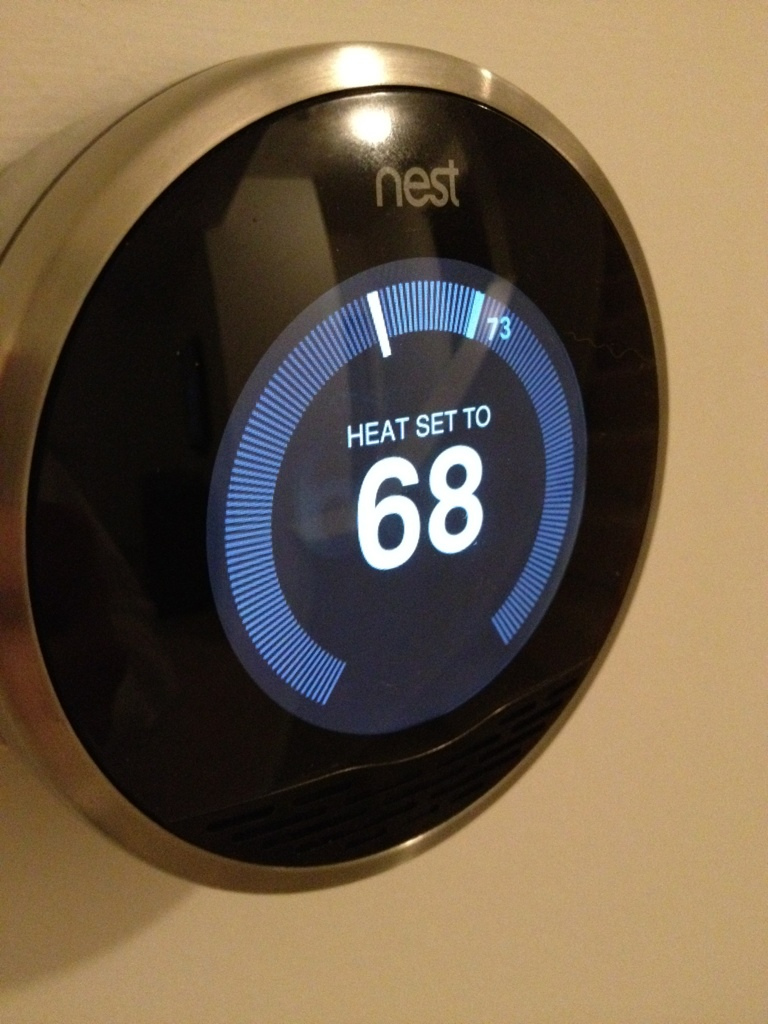
It's no secret that the higher your thermostat is in the winter, the higher your heating costs. But did you know just how much you can save by going lower? "Turn down your thermostat to 68 degrees," said the Consumer Energy Center. "For every degree you lower your heat in the 60-degree to 70-degree range, you'll save up to 5 percent on heating costs. Set the thermostat back to 55 degrees or off at night or when leaving home for an extended time, saving 5-20 percent of your heating costs."
That goes for hot water heaters, too. "Set your water heater to the "normal" setting or 120-degrees Fahrenheit, unless the owner's manual for your dishwasher requires a higher setting," they said. "Savings are 7-11 percent of water heating costs."
To read the original article click here.
 We recently found this very insightful article from Lawnstater.com about the amount of homes with more bedrooms and bathrooms. While the kitchen might be considered the center of the home, bedrooms and bathrooms are just as important. You're not going to buy a home with less space than you and your family needs. While it's no secret that houses are getting bigger you might be surprised by some of the statistics shown below. The cost of living in Vermont, in particular, is very high and there is a trend towards multigenerational if not multifamily ownership.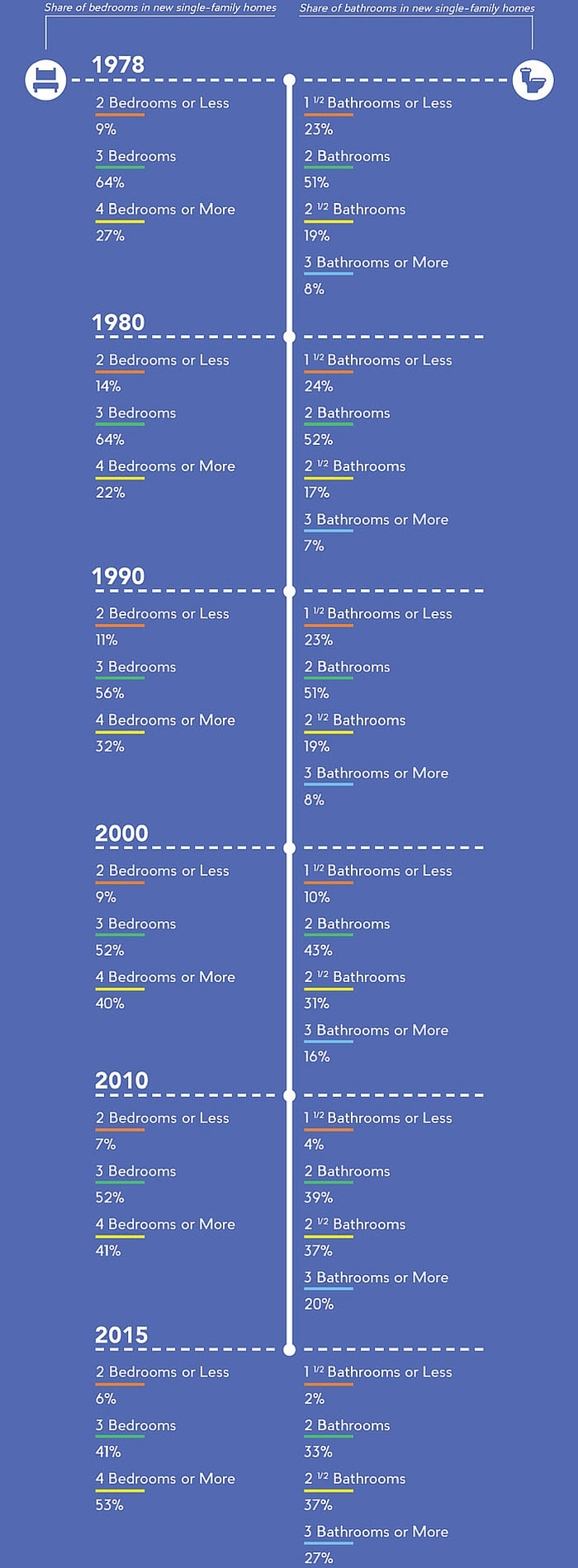



 We recently found this article written by Jaymi Naciri that highlights some ways you can improve your home without breaking the bank. Some of these are a no-brainer, while some are a little harder for those of us living in Vermont. Curb appeal might be easier if the weather wasn't so unpredictable. Regardless, here are some ways that you can spruce up your home to enhance a buyer's interest.
 We found this article by Joseph Truini that addresses the importance of having the right front door for your home. Vermont, as we all know, has very intense seasons and it’s important to have a door that not only looks good but will last through extended exposure, especially through the winter months.


.jpg)
 Your credit score is one of the most valuable things you own and it can quickly turn into a nightmare for you. A low credit score will directly affect your ability to borrow money and may get you turned down for that mortgage loan you have applied for. Or, you may be offered a higher interest rate because the lender sees you as a risky borrower. This may prevent you from buying your Waterbury or Stowe, Vermont dream home!
 Whether you believe in it or not, if you're planning on spring cleaning or decorating why not try rearranging? Who knows, the energy of your home could very well change. We found this cool article written by Reality Times about using feng shui three different ways in your home.